Moving your exercise routine into the water creates a supportive setting for building strength, flexibility, and stamina while easing the strain on your joints. Water’s buoyancy cushions every movement, so you can work harder and try new exercises without worrying about added stress or discomfort. This approach suits those recovering from injuries as well as anyone eager to change up their usual fitness plan. You will work your legs, core, arms, and back with each session and discover that water’s natural resistance offers a satisfying, gentle challenge, making every workout both effective and enjoyable.
Each move below includes clear steps, form pointers, and options to match your comfort level. You don’t need advanced skills or fancy gear—just a willingness to move and stay consistent. Follow the safety tips and try to practice these exercises two to three times per week for steady progress. You might find your usual land workout feels a bit lighter once you’ve mastered this joint-friendly routine.
Exercise 1: Water Walking or Jogging
- Stand in water at chest depth, feet hip-width apart.
- Lift one knee toward your chest, then step forward, landing gently on the ball of your foot.
- Swing your opposite arm forward, keeping elbows at a 90-degree angle.
- Maintain upright posture and engage your core with each step.
- Alternate legs in a smooth, controlled rhythm for one to two minutes.
This simple pattern mirrors a land jog but uses water’s resistance to build muscle endurance. Keep your torso stable so your core works to maintain balance. If you need more challenge, increase your speed or lift your knees higher.
Beginners should reduce pace and focus on steady breathing until they feel comfortable. Advanced participants can add side steps or backward walking to work different muscle groups. Track your sessions by timing intervals—alternate one minute of fast walking with one minute of easier pace for a practical cardio boost.
Exercise 2: Aqua Squats
- Keep feet slightly wider than hips.
- Push hips back, lowering until thighs are parallel to the pool floor.
- Press through heels to return to standing.
- Squeeze glutes at the top of each rep.
- Use water dumbbells at chest height for added upper-body engagement.
Aqua squats target the quads, hamstrings, and glutes, while the water supports your body weight to limit joint stress. Breathe out as you stand up and inhale as you lower down, keeping movements smooth. If balance feels tricky, hold the pool edge lightly for support.
To increase difficulty, perform squats on your tiptoes for calf activation or add a pulse at the bottom of each rep. Beginners can reduce depth so thighs don’t go fully parallel until they build confidence. Aim for two sets of 12–15 reps with a 30-second rest in between.
Exercise 3: Pool Planks
Pool planks take a classic core move into an aquatic setting, offering a fresh challenge. Start by placing your forearms on a sturdy kickboard or the pool wall at chest height. Walk your feet back until your body forms a straight line from head to heels. Engage your abs and glutes to avoid sagging hips.
Hold this position for 20–30 seconds, focusing on controlled breathing. Your shoulders, core, and back muscles all work to stabilize your frame against shifting water currents. As you gain strength, work toward a full minute. If you feel any strain in your lower back, shorten your hold time or bring your feet closer to the wall.
Exercise 4: Water Push-and-Pull
This move targets shoulders, chest, and back while keeping joints happy. Stand in chest-deep water and extend one arm toward the pool wall. Press your palm against the wall, push back steadily until your arm straightens, then pull your arm back to the starting position. Keep your movements slow and controlled.
Switch arms after 12–15 reps. To involve the lower body, brace your core and slightly bend your knees to create a stable base. For less resistance, stand where water covers only mid-torso. For more challenge, find deeper water or use a water resistance band anchored to the pool edge.
Exercise 5: Aquatic Leg Lifts
Leg lifts in the water help strengthen hip flexors, glutes, and inner thighs. Hold onto the pool edge with both hands at shoulder height. Keep your back straight, kick one leg forward, lifting it as high as feels comfortable. Control the return to the starting position.
Perform 10–12 reps on each side. Next, turn to face the pool wall and lift your leg to the side, toes pointed forward. This variation activates the outer hip muscles. Beginners can use a noodle under their arms for extra buoyancy. Advanced exercisers might add ankle weights to intensify the work.
Safety and Equipment Tips
- Wear water shoes to improve grip and protect your feet.
- Warm up with gentle stretches and short easy laps.
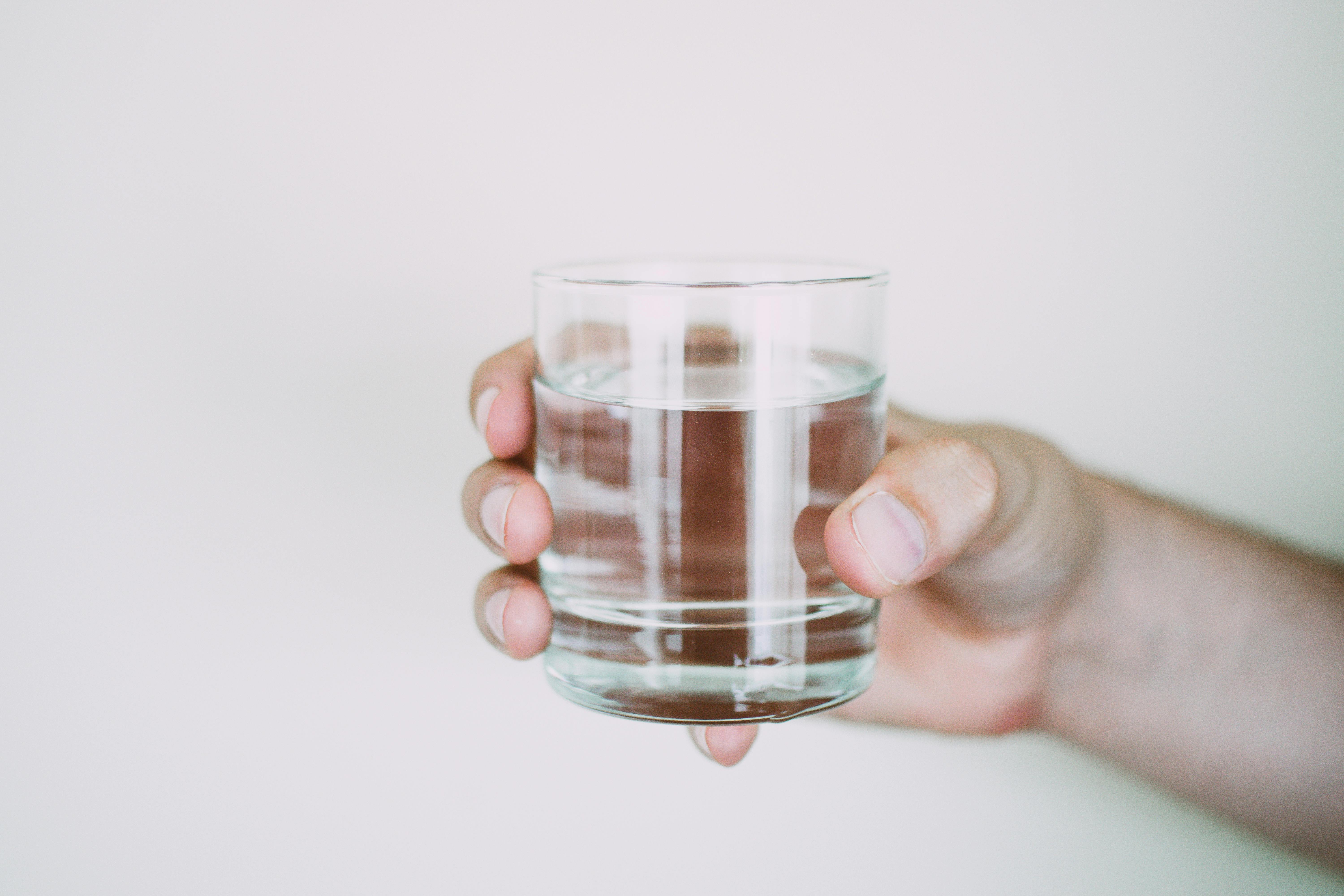
- Keep a water bottle nearby to stay hydrated.
- Stop if you feel sharp discomfort and avoid pushing through joint pain.
- Maintain a natural breathing pattern and do not hold your breath.
- Follow pool rules and do not swim alone in areas without supervision.
Use a foam noodle or aquatic gloves to add resistance. A good kickboard can support your exercises or help with propulsion practice. Ensure your pool has non-slip steps and handrails for safe entry and exit.
Check any equipment for signs of wear or tears before use. Replace damaged gear to prevent accidents. Swim in a well-lit area and inform someone about your workout schedule if you exercise alone. These precautions help you focus on your workout without safety worries.
Exercising in water is gentle on joints and improves strength, balance, and cardiovascular health. Regular practice with *Aquafit* helps you build stronger, more agile muscles.