

How to Navigate Sexual Health Courses for Well-Informed Choices
Finding the right course on sexual health often means sorting through many options, each promising something different. You deserve information that suits your daily...
Jul 05, 2026


Bodyweight exercises offer a straightforward and effective path to building muscle without the need for expensive equipment or a crowded gym. Using your own body as resistance, you can perform movements that engage multiple muscle groups and help you gain strength right at home. With each workout, you can adjust the intensity to match your fitness level, making it easy to track progress over time. Simple routines can fit into even the busiest schedules and smallest spaces, allowing you to stay consistent and motivated. This method makes it possible to improve your fitness and confidence using nothing more than your determination and your own body.
You can custom-tailor every exercise to match your current level and keep building week after week. This guide walks through the perks of bodyweight workouts, how to plan each session, key exercises to include, and ways to push your limits safely. Along the way, you’ll pick up sample schedules and tips on eating and rest that make every workout count.
Using bodyweight moves removes barriers like cost, space, and setup time. You don’t need a gym membership or racks of plates. A quick session in your living room or yard can deliver a full-body challenge. You can work around a busy schedule by squeezing in short but focused workouts.
This style also requires you to master control and stability. You’ll engage smaller muscles alongside larger ones, which enhances balance and posture. Training your body as a single unit builds a foundation for everyday tasks—lifting groceries, playing with kids, or tackling yardwork—with more confidence and less risk of injury.
Start by setting specific times and days in your calendar. Aim for three to five sessions each week, lasting 30 to 45 minutes each. Routine beats intensity at first. Consistency helps your muscles adapt and fuels progress. Track your workouts in a simple journal or notes app to spot patterns and measure gains.
Next, define a clear structure for each session: a warm-up, a main workout, and a cool-down. The warm-up could be jumping jacks, arm circles, or gentle squats for five minutes. The cool-down might include simple stretches targeting the legs, hips, chest, and shoulders. This template ensures every session runs smoothly, and you avoid common mistakes like skipping preparation or burning out too fast.
These moves form the backbone of your strength routine. They cover major muscle groups and adapt easily to different levels. Adjust reps, rest times, or body position to make them tougher or easier as needed.
Focus on movement quality. Performing fewer reps with perfect form beats halfhearted sets of higher counts. As you grow stronger, incorporate variations like Bulgarian split squats, decline push-ups, or side planks to target muscles from new angles.
Make your muscles work harder over time by increasing the challenge gradually. Change one factor at a time—volume, resistance, or rest. For example, add three reps or five seconds to each set every week, or reduce rest intervals by 10 seconds.
Adjust angles and leverage. Elevate your feet for push-ups, or stand on one leg for squats and lunges. Slowing down the lowering phase (eccentric) of any movement increases muscle tension. Tracking these adjustments helps you make steady progress without hitting a plateau.
This plan distributes work evenly and includes recovery days. Feel free to change the order or rest days to suit your life.
Each week, try to add a little more—either an extra rep, a slower tempo, or a shorter rest. Small improvements lead to lasting strength.
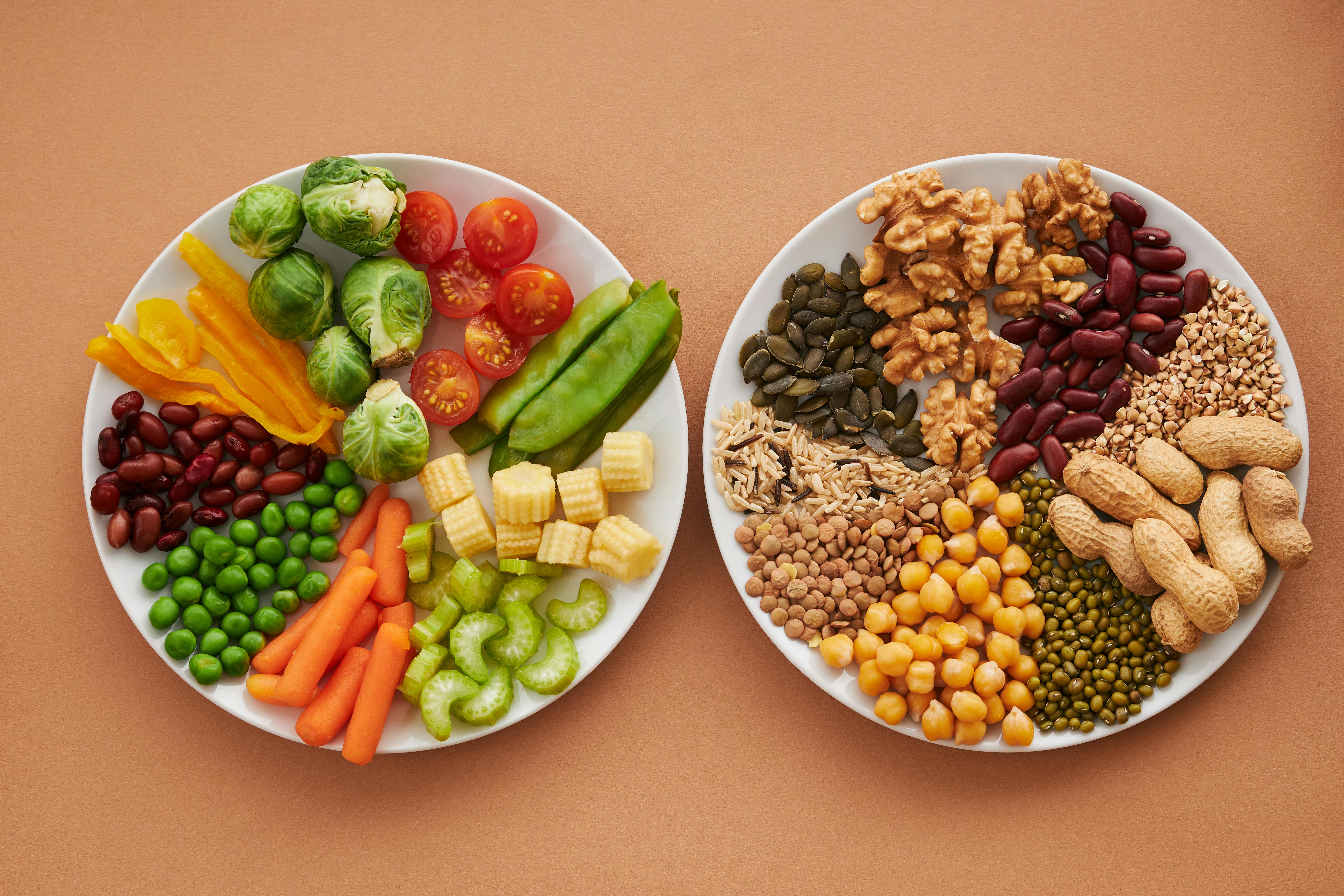
Feed your muscles with balanced meals. Include lean protein sources like chicken, eggs, beans, or fish along with whole grains and colorful vegetables. Protein helps repair muscles, while carbs restore your energy. Don’t skip healthy fats from nuts, seeds, or avocado—they support joint health and hormone balance.
Rest is just as important as training. Aim for 7 to 8 hours of sleep each night. Pay attention to your body's signals: if you feel unusually sore or sluggish, replace a workout with gentle movement or a full rest day. Stretching and foam rolling help reduce muscle tension and speed up recovery.
Follow these steps to improve your strength without lifting weights. Keep refining your workouts and celebrating progress. Stay consistent and patient for lasting results.
Finding the right course on sexual health often means sorting through many options, each promising something different. You deserve information that suits your daily...
Jul 05, 2026

Long hours at your desk often bring on stiffness, fatigue, and difficulty concentrating. Many people notice tension building in the neck and shoulders, along with a...
Jul 01, 2026

Swapping out processed sugar opens up new possibilities for creating delicious meals that feel both enjoyable and rewarding. Choosing ingredients that deliver natural...
Jun 28, 2026

Finding time to prepare healthy meals often feels challenging when days fill up with appointments and tasks. After a long day, cooking from scratch might seem...
Jun 24, 2026

Joint issues often seem like an inevitable part of growing older, yet regular movement can help keep joints comfortable and flexible throughout your life. Practicing...
Jun 21, 2026

Music fills the room and your feet start to move, bringing a fresh spark to every cardio session. Dance fitness introduces a lively twist to traditional workouts like...
Jun 15, 2026

Gentle exercise routines offer a way to stay active while protecting your joints from unnecessary stress. These types of workouts help you gradually increase your...
Jun 10, 2026

Opening a health-focused book often brings new energy to your wellness routine, offering inspiration and practical advice. Joining a book club devoted to health topics...
Jun 06, 2026

Creating reliable routines becomes much easier once you understand the science behind habits and use methods that research supports. This guide explains how you can...
Jun 02, 2026

Many people notice burnout creeping up through small signs like feeling irritable, struggling to sleep well, or losing interest in things that once felt important....
May 24, 2026

Starting the day feeling groggy makes it tough to tackle even the simplest tasks. Many people reach for extra coffee, hoping it will provide a quick energy boost, only...
Feb 26, 2026

Finding a healthy balance with screen time allows you to stay productive, connect with others, and unwind without letting devices take over your day. You can enjoy the...
Feb 24, 2026

Small shifts in your internal dialogue can make a big difference in how you feel and approach challenges. Noticing when harsh self-criticism arises and intentionally...
Feb 23, 2026
Fresh vegetables, whole grains, and lean proteins play a vital role in supporting a healthy heart, while also increasing daily energy and lifting your spirits. Meals...
Feb 21, 2026