

The Top Educational Book Clubs That Inspire Better Health Choices
Opening a health-focused book often brings new energy to your wellness routine, offering inspiration and practical advice. Joining a book club devoted to health topics...
Jun 06, 2026


Many people find that their afternoon coffee doesn’t provide the same boost it once did, or that reducing caffeine leads to sluggishness and irritability. Caffeine dependence often develops quietly, blending into daily rituals until it starts to disrupt energy levels and focus. Learning how caffeine interacts with your body allows you to recognize patterns and make informed choices about your consumption. By tracking your intake and applying straightforward adjustments, you can move toward more consistent energy throughout the day. This guide delivers practical, easy-to-follow advice designed to help you feel balanced, alert, and more in control from morning to evening.
Most people grab a cup of coffee or energy drink without thinking about what they’re really consuming. Caffeine blocks receptors in the brain that signal tiredness, pushing you to keep going. Over weeks or months, the brain adjusts, requiring more caffeine just to feel normal. That’s dependence—your body expects caffeine for a baseline level of alertness.
Recognizing signs of dependence helps you plan a smoother exit. Pay attention to these common indicators:
Before cutting back, evaluate exactly how much caffeine enters your system. Make a simple log for a few days, noting each drink, snack, or supplement that contains caffeine. Being precise helps you spot hidden sources—like dark chocolate bars, certain pain relievers, or matcha tea.
Use these bullet points to guide your self-audit:
After reviewing your log, calculate your daily average. Most adults consume 200–300 mg without serious effects, but a trend above 400 mg can increase dependence. This snapshot provides a clear starting point for lowering intake gradually.
Avoid reducing caffeine too quickly, as it can cause intense headaches and crankiness. Taking it slow makes the process more comfortable. Begin by lowering your total intake by about 10–20 percent each week. For example, if you drink 400 mg daily, aim for an 80 mg reduction, bringing you to 320 mg during the first week.
Follow this simple schedule:
Remain adaptable. If headaches or fatigue become intense, pause the reduction for a few days before proceeding. Pay attention to your body's signals to avoid stalling or feeling overwhelmed.
Finding satisfying substitutes helps reduce cravings and naturally boosts your overall energy. Begin mornings with a tall glass of water and a quick stretch. Hydration activates circulation and wakes up your nervous system. Then, try one of these options:
Consuming small amounts of B vitamins through whole grains or supplements can also support your energy levels. Combine these choices with regular meals and consistent sleep habits to maximize benefits.
Keeping track of your progress prevents setbacks when cravings emerge. Use a simple daily journal or a habit-tracking app to record caffeine-free choices. Celebrate each milestone with a small non-food reward—perhaps a new notebook or a short walk outdoors.
Implement these techniques to stay focused:
Review your caffeine log and energy journal every Sunday. Look for patterns: Are your afternoon slumps lessening? Is your headache frequency decreasing? Tracking your progress offers concrete evidence of improvement, motivating you to continue.
Reducing caffeine dependence requires a gradual plan, supportive habits, and realistic goals. Measuring and slowly decreasing your intake helps achieve steady focus and balanced energy. Small steps lead to fewer crashes and more reliable vitality.
Opening a health-focused book often brings new energy to your wellness routine, offering inspiration and practical advice. Joining a book club devoted to health topics...
Jun 06, 2026

Creating reliable routines becomes much easier once you understand the science behind habits and use methods that research supports. This guide explains how you can...
Jun 02, 2026

Gentle exercise routines offer a way to stay active while protecting your joints from unnecessary stress. These types of workouts help you gradually increase your...
Jun 10, 2026

Many people notice burnout creeping up through small signs like feeling irritable, struggling to sleep well, or losing interest in things that once felt important....
May 24, 2026

Finding time to prepare healthy meals often feels challenging when days fill up with appointments and tasks. After a long day, cooking from scratch might seem...
Jun 24, 2026

Life brings fresh opportunities to understand how your body adapts, discover different interests, and experience joy more fully. Attending the right seminar can boost...
Aug 19, 2026

Many people grow bored with repetitive workouts, which can make it tough to stay motivated and reach personal fitness goals. You can add excitement and variety to your...
Aug 31, 2026
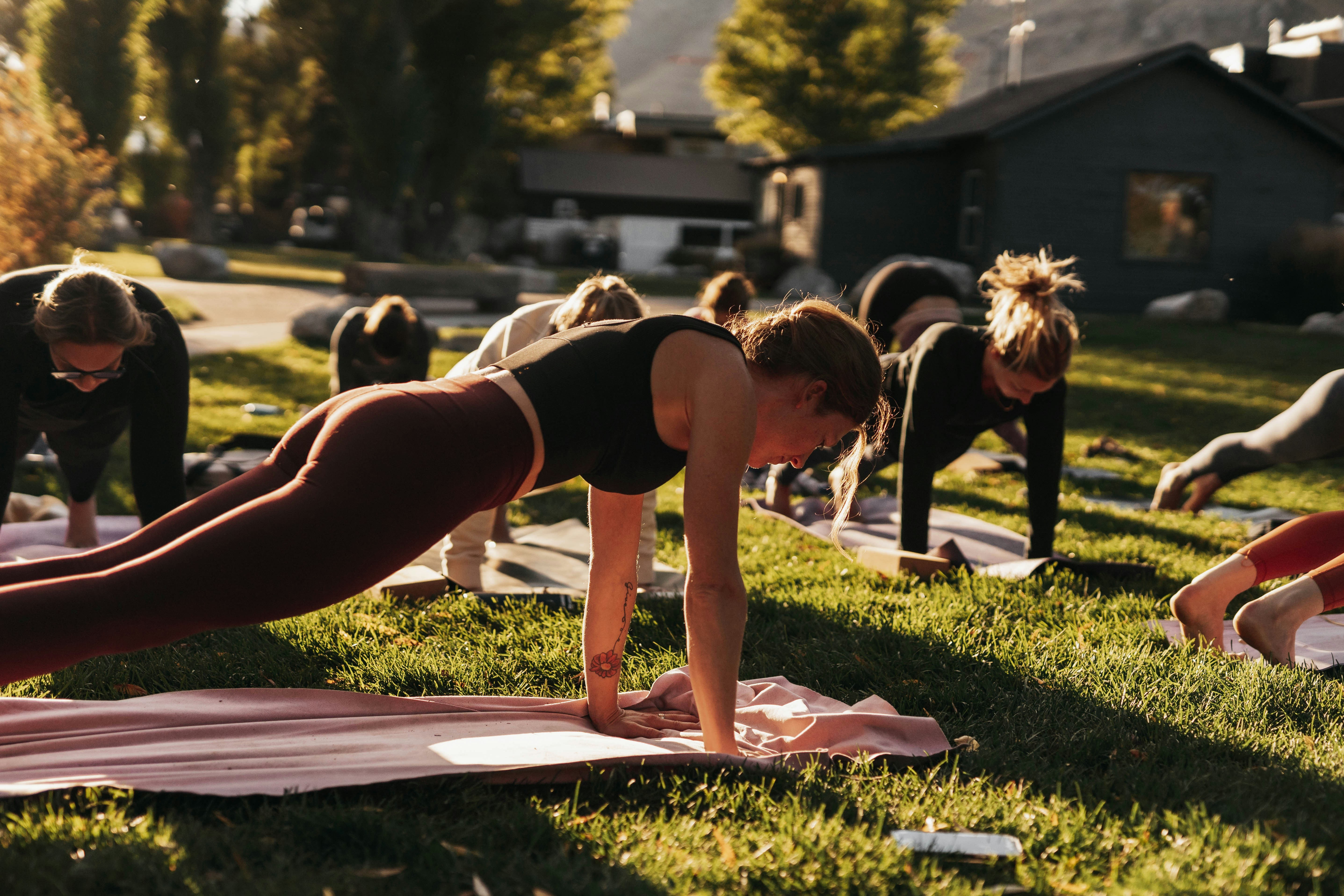
Trade your regular schedule for a week filled with guided workouts on a sunlit beach or sunrise yoga sessions surrounded by mountain views. Retreats like these help you...
Jul 29, 2026

Swapping out processed sugar opens up new possibilities for creating delicious meals that feel both enjoyable and rewarding. Choosing ingredients that deliver natural...
Jun 28, 2026

Bodyweight exercises offer a straightforward and effective path to building muscle without the need for expensive equipment or a crowded gym. Using your own body as...
Jul 24, 2026

Music fills the room and your feet start to move, bringing a fresh spark to every cardio session. Dance fitness introduces a lively twist to traditional workouts like...
Jun 15, 2026

Educational retreats offer a unique blend of active learning and engaging experiences in environments that encourage relaxation and renewal. Participants break away from...
Aug 16, 2026

Setting the stage for restful sleep begins when you put away your phone and stop browsing social media before bed. The blue light from screens sends signals to your...
Aug 05, 2026

Gardening brings a refreshing change of pace as you work with nature. Planting seeds, caring for plants, and gathering vegetables encourage gentle movement while...
Aug 09, 2026