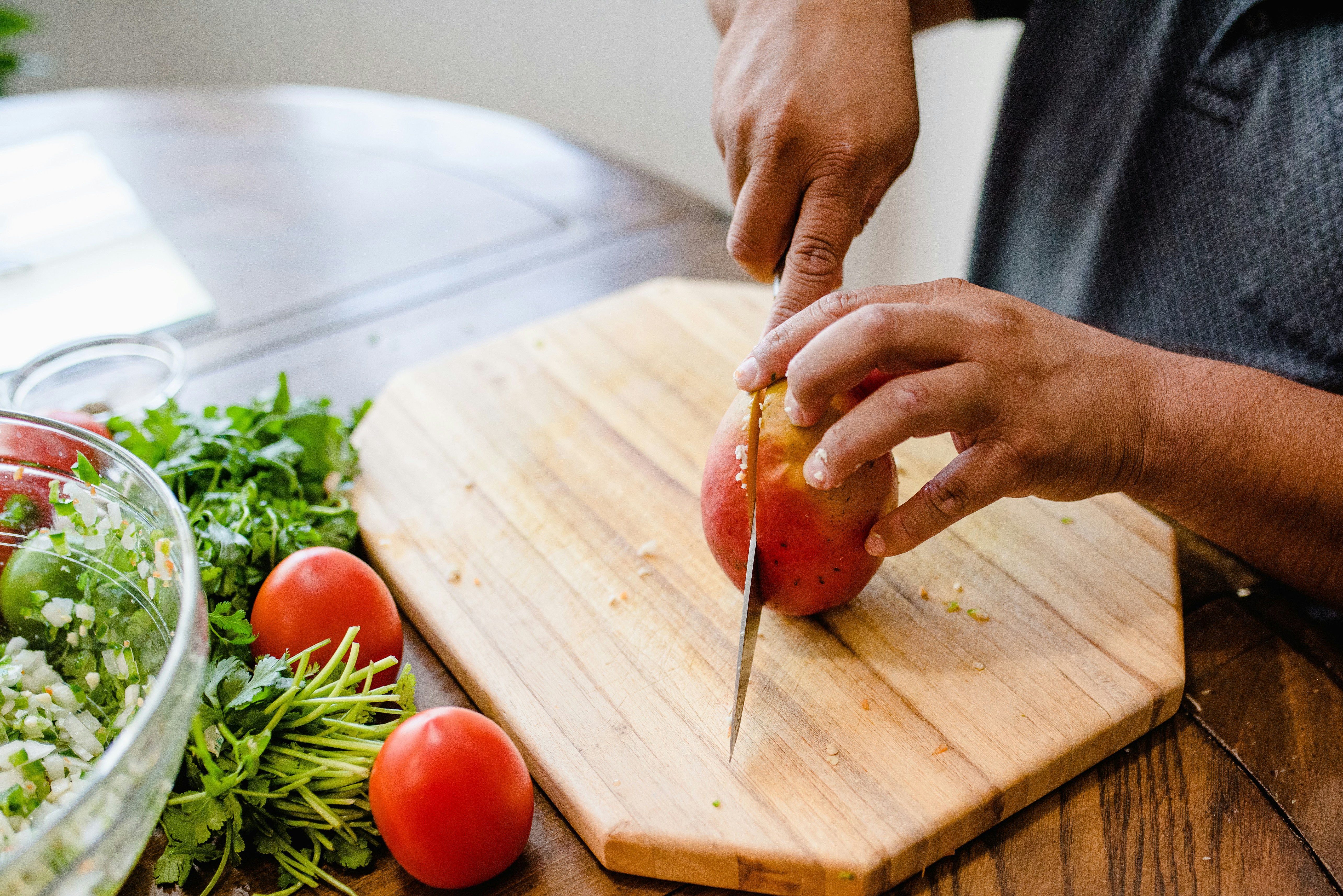
5 Meal Prep Shortcuts That Support Balanced Nutrition on Busy Days
Jun 24, 2026


Careful planning sets the stage for a successful grocery trip long before you reach the store. Start by looking over your weekly meals and choosing foods you actually look forward to preparing and eating. Consider what you need for easy breakfasts, convenient lunches, and satisfying dinners. By selecting recipes that fit your preferences and schedule, you can avoid unnecessary purchases and keep food waste to a minimum. This approach makes shopping less stressful and helps you stick to your budget, while ensuring every meal is something you’re happy to make and enjoy throughout the week.
Next, set a realistic budget based on your priorities. If you want to eat more fresh produce, free up funds by choosing store-brand staples like rice and beans. Establishing clear financial boundaries helps you stay focused and prevents overspending on tempting but less nutritious treats.
Writing down a simple meal plan only takes a few minutes but saves hours in the store. List breakfast, lunch, dinner, and snacks for each day. Aim for at least one fruit or vegetable at every meal so that your shopping list naturally fills with nutrient-rich items.
Use a calendar or a meal-planning app to match recipes with days. For instance, schedule slow-cooker soup on your busiest workday. When you know what you will cook and when you will have time to cook, you avoid last-minute takeout orders.
The outer aisles usually hold fresh produce, lean proteins, dairy, and whole grains. Sticking to this layout helps you prioritize whole foods over shelf-stable items full of added sugar, sodium, or artificial ingredients.
Walk the perimeter first, and let the colorful produce and fresh breads guide your choices. If you can’t resist a few inner-aisle items like canned chickpeas or spices, pick just what you need for meal prep rather than buying in bulk “just because.”
Nutrition labels can seem dense at first, but focusing on those four points helps you quickly decide what to buy. Over time, you will recognize healthier options without reading every detail.
Pair this habit with label literacy: learn common names for added sugars, like dextrose or maltodextrin. When you see these on a package, you will know to move on.
Lists work best when you prepare them shortly before leaving home. That way, you will be less likely to forget something or second-guess your menu. Keep a running list on your phone to add items as you run low at home.
Resist impulse buys by visualizing where your groceries will fit in your fridge or pantry. If you don’t have space, you won’t buy it. This simple mental check helps keep your cart—and your home—organized.
Whole foods provide nutrients without unnecessary fillers. Fresh fruits, vegetables, beans, nuts, seeds, and whole grains like quinoa or brown rice contain fiber, healthy fats, vitamins, and minerals. They keep you full longer and help stabilize blood sugar.
Instead of buying pre-seasoned or frozen dinners, pick lean meats or tofu and grab spices and herbs. You can make your own marinade with olive oil, garlic, and lemon juice. This method costs less per serving and allows you to control sodium and preservatives.
Sometimes your favorite ingredient is out of stock or exceeds your budget. Swap kale for spinach, Greek yogurt for sour cream, or barley for rice. These small changes help you stay on plan without sacrificing flavor or nutrition.
When a recipe calls for heavy cream, try blending milk and low-fat cottage cheese. You will reduce saturated fat and increase protein. Experimenting teaches you to trust your palate and adapt recipes based on what is on sale or in season.
Also, pay attention to seasonal produce. Buying in season usually costs less and offers peak flavor. If peaches aren’t available, choose apples or pears to top your cereal or yogurt bowl.
Incorporate some frozen vegetables or fruits for convenience. They lock in nutrients at harvest and help you stay on track when fresh options are scarce.
Regular grocery trips help you plan healthier meals and save time and money. Careful shopping and simple swaps lead to more nutritious food every day.

Many people notice burnout creeping up through small signs like feeling irritable, struggling to sleep well, or losing interest in things that once felt important....
May 24, 2026

Life brings fresh opportunities to understand how your body adapts, discover different interests, and experience joy more fully. Attending the right seminar can boost...
Aug 19, 2026

Healthy bones support every step you take, help you lift and carry with ease, and keep you active as the years go by. Everyday routines can gently build bone strength...
Aug 26, 2026
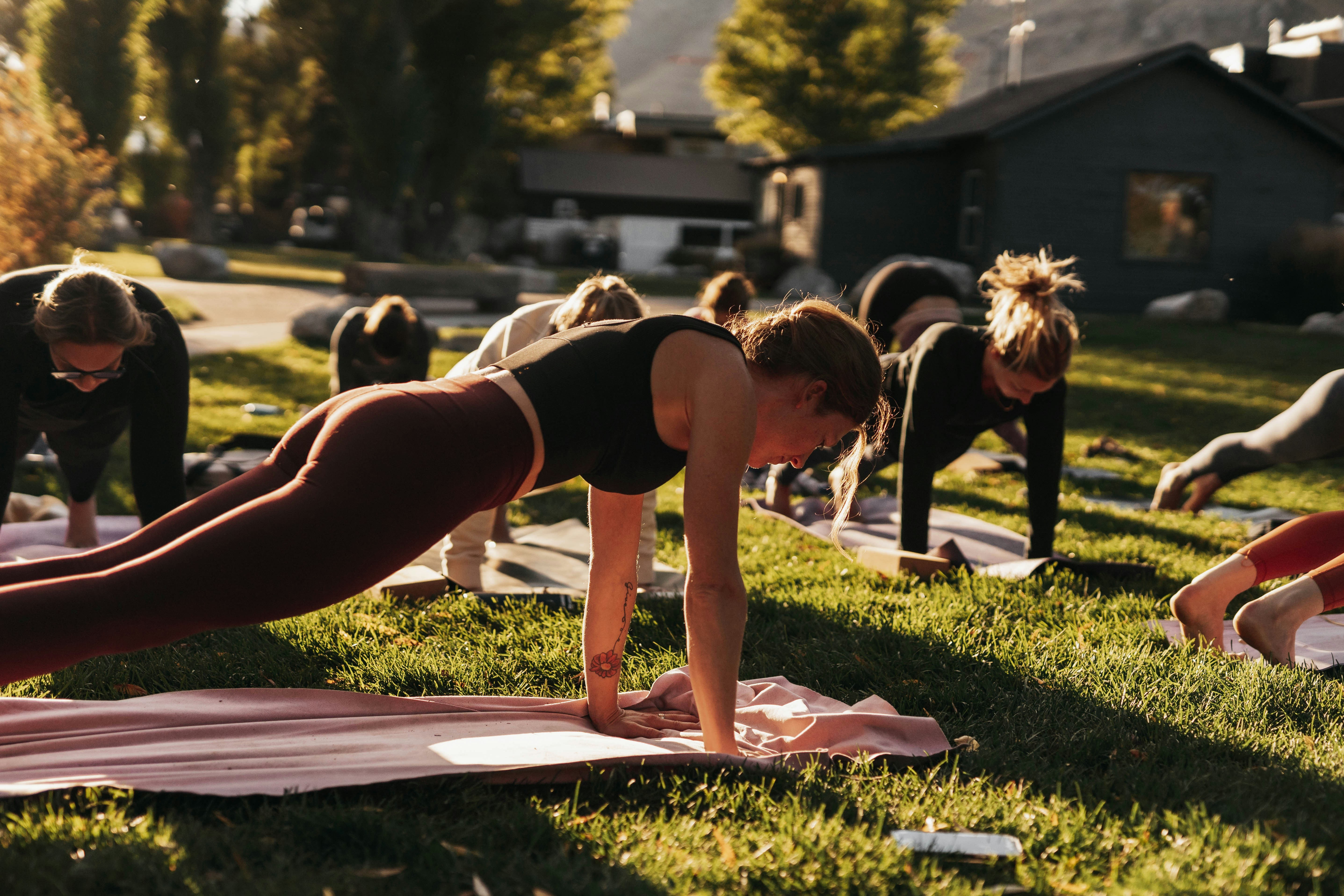
Trade your regular schedule for a week filled with guided workouts on a sunlit beach or sunrise yoga sessions surrounded by mountain views. Retreats like these help you...
Jul 29, 2026

Bodyweight exercises offer a straightforward and effective path to building muscle without the need for expensive equipment or a crowded gym. Using your own body as...
Jul 24, 2026

Educational retreats offer a unique blend of active learning and engaging experiences in environments that encourage relaxation and renewal. Participants break away from...
Aug 16, 2026

Long hours at your desk often bring on stiffness, fatigue, and difficulty concentrating. Many people notice tension building in the neck and shoulders, along with a...
Jul 01, 2026

Music fills the room and your feet start to move, bringing a fresh spark to every cardio session. Dance fitness introduces a lively twist to traditional workouts like...
Jun 15, 2026

Simple activities such as carrying grocery bags, loading the washing machine, or retrieving objects from overhead often become more challenging when muscle coordination...
Aug 22, 2026

Staying hydrated throughout the day can have a noticeable impact on your mood, mental clarity, and physical performance. Drinking enough water helps your body operate at...
Aug 02, 2026

Public policy seminars bring together people interested in understanding how government decisions affect well-being. These events break down complicated laws and...
Jul 15, 2026

Workshops focused on occupational health often offer practical techniques that help create safer and more comfortable workplaces. This article highlights five proven...
Aug 12, 2026

Moving your exercise routine into the water creates a supportive setting for building strength, flexibility, and stamina while easing the strain on your joints. Water’s...
Jul 21, 2026

Gardening brings a refreshing change of pace as you work with nature. Planting seeds, caring for plants, and gathering vegetables encourage gentle movement while...
Aug 09, 2026