
Top Seminars for Navigating Aging and Longevity With Confidence
Life brings fresh opportunities to understand how your body adapts, discover different interests, and experience joy more fully. Attending the right seminar can boost...
Aug 19, 2026


Choosing foods that nourish your body can bring more satisfaction to each meal. Making a few changes in how you serve food helps you notice when you feel full, keeps your energy levels even, and makes it easier to avoid reaching for snacks you didn't plan on. Many people think portion control requires strict rules or tiny servings, but it can become second nature with some easy techniques. This guide shares five straightforward ideas to help you serve balanced portions every day. You'll find real-life examples and simple tips that you can start using immediately, making healthy eating feel more comfortable and enjoyable.
Most people skip tracking how much they serve at home. Over time, that adds extra spoonfuls, glasses of juice, and handfuls of chips. You stay hungry or feel sluggish because you miss the mark on protein, fiber, or healthy fats. Making small corrections by measuring, setting clear limits, and tuning into your body’s needs sets you up for good energy and steady mood throughout the day.
Let’s explore five approachable methods. You will learn how to use common tools in your kitchen, arrange meals on the plate, and practice a few pauses that help you enjoy each bite. As you build these habits, you will feel more in control during breakfast, lunch, dinner, and snack time.
Portion control means choosing an amount of food that matches your daily needs. It helps you meet goals like steady blood sugar, better digestion, or maintaining a healthy weight. Instead of guessing, you adopt a plan that fits your taste preferences and schedule.
You can follow a hand guide, use a digital scale, or rely on common items like cups. Each approach has pros and cons. Picking one method for each meal makes it easier to stay consistent. Over time, you sharpen your sense of what a proper serving size looks like on any plate.
Visual cues help you estimate portions without weighing every ingredient. You start trusting everyday objects as reference points. That way, you cut down on time and make more confident choices in restaurants and at home.
Begin by matching food to common items. Keep a note on your fridge until it feels natural. When you serve yourself, glance at the size and compare. You will soon build an internal image of proper servings.
Measuring might seem tedious, but it builds awareness quickly. Once you know key serving sizes, you stop relying on bulky cups or random scoops. At first, you spend five to ten minutes per meal. After that, your confidence replaces the scale.
You can use a kitchen scale, measuring cups, or measuring spoons. Track what you eat in a journal or a simple app. Reviewing the log after a week shows where you serve too much or too little.
Arrange your plate by food group to balance nutrients and keep portions in check. Picture dividing a clock into quarters. Fill half with vegetables, one quarter with lean protein, and one quarter with whole grains or starchy vegetables. That way, you include fiber, protein, and steady carbs in the right ratios.
This plate setup helps you stay full longer and prevents mid-afternoon energy dips. It also reduces mindless second helpings or extra snacks. You feel fuller on fewer calories because fiber and protein slow digestion.
Eat mindfully by slowing down enough to enjoy each bite and notice its flavors and textures. Turn off screens, put down utensils between bites, and focus on your food. That pause gives your brain time to recognize when you’re full before you serve yourself more.
Chewing slowly and taking short breaks help you notice early signs of satisfaction. You might realize three bites of pasta satisfy you instead of a full bowl. This mindful stop helps you avoid overeating without strict rules or feelings of deprivation.
Cooking meals in advance reduces decision-making when you feel rushed or tired. Choose a day each week to cook and portion food. Use reusable containers that hold the right serving sizes. That way, you grab-and-go without guessing.
You can roast vegetables, grill chicken breasts, and cook a batch of brown rice. Then fill containers according to your plate plan. On busy days, simply heat and eat. Planning ahead prevents last-minute fast-food runs or snack splurges.
Taking small steps, such as measuring an item or preparing an extra lunch, helps you manage hunger and satisfaction without strict rules. These simple actions support healthier habits over time.
Life brings fresh opportunities to understand how your body adapts, discover different interests, and experience joy more fully. Attending the right seminar can boost...
Aug 19, 2026
Healthy bones support every step you take, help you lift and carry with ease, and keep you active as the years go by. Everyday routines can gently build bone strength...
Aug 26, 2026

Many people find that their afternoon coffee doesn’t provide the same boost it once did, or that reducing caffeine leads to sluggishness and irritability. Caffeine...
Sep 12, 2026
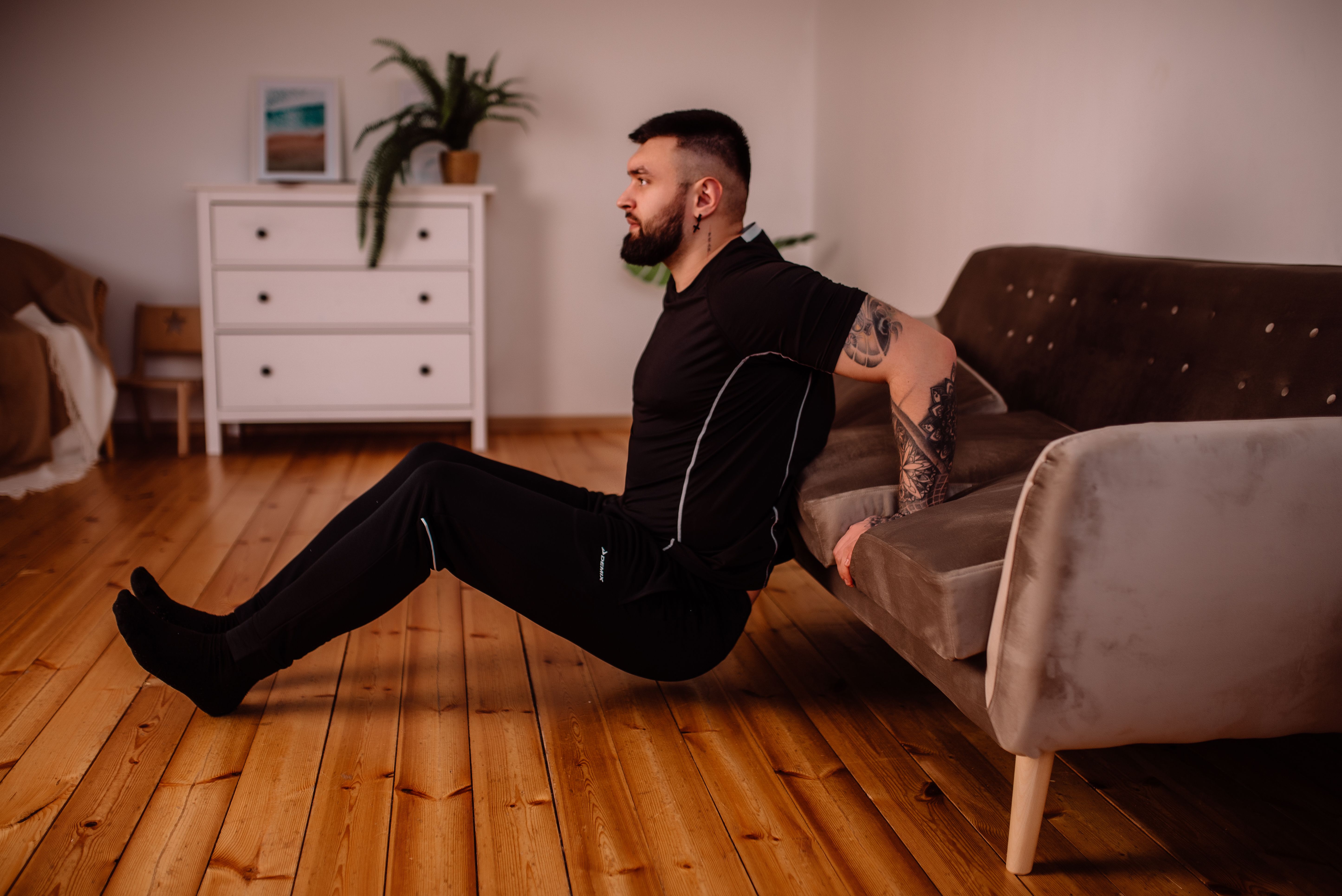
Bodyweight exercises offer a straightforward and effective path to building muscle without the need for expensive equipment or a crowded gym. Using your own body as...
Jul 24, 2026

Long hours at your desk often bring on stiffness, fatigue, and difficulty concentrating. Many people notice tension building in the neck and shoulders, along with a...
Jul 01, 2026

Many people grow bored with repetitive workouts, which can make it tough to stay motivated and reach personal fitness goals. You can add excitement and variety to your...
Aug 31, 2026

Opening a health-focused book often brings new energy to your wellness routine, offering inspiration and practical advice. Joining a book club devoted to health topics...
Jun 06, 2026

Many people notice burnout creeping up through small signs like feeling irritable, struggling to sleep well, or losing interest in things that once felt important....
May 24, 2026

Gardening brings a refreshing change of pace as you work with nature. Planting seeds, caring for plants, and gathering vegetables encourage gentle movement while...
Aug 09, 2026

Creating reliable routines becomes much easier once you understand the science behind habits and use methods that research supports. This guide explains how you can...
Jun 02, 2026

Simple activities such as carrying grocery bags, loading the washing machine, or retrieving objects from overhead often become more challenging when muscle coordination...
Aug 22, 2026

Staying hydrated throughout the day can have a noticeable impact on your mood, mental clarity, and physical performance. Drinking enough water helps your body operate at...
Aug 02, 2026
Finding the right course on sexual health often means sorting through many options, each promising something different. You deserve information that suits your daily...
Jul 05, 2026

Moving your exercise routine into the water creates a supportive setting for building strength, flexibility, and stamina while easing the strain on your joints. Water’s...
Jul 21, 2026